
Threading Gender Lens in NCD Care in Kosovo
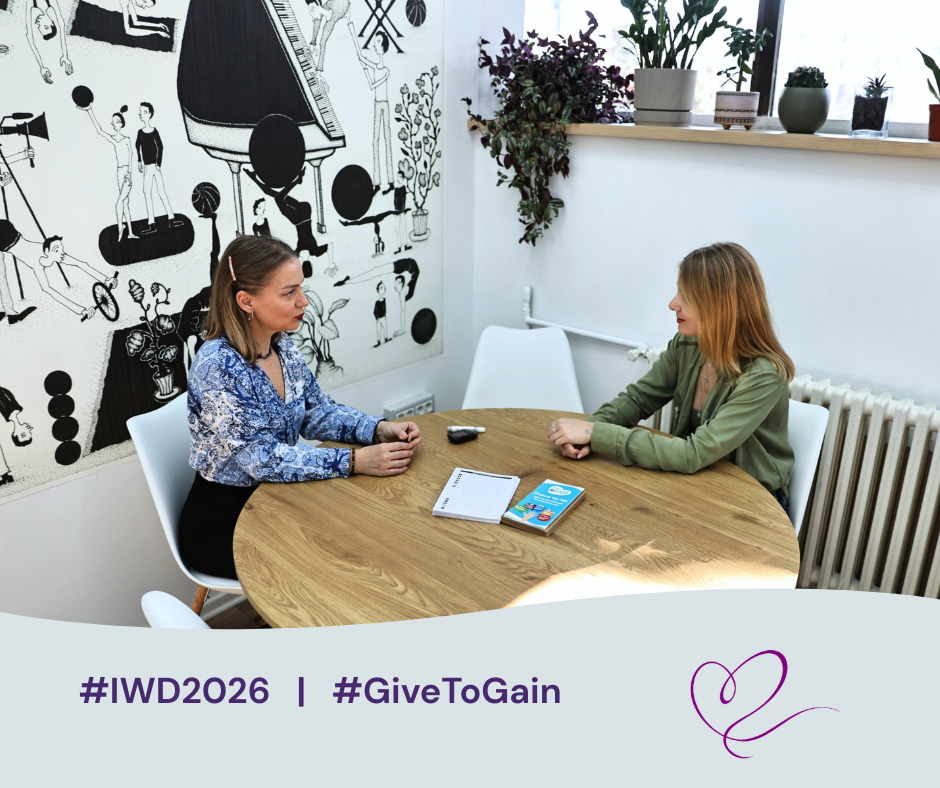
On a quiet night, long after the rest of the family has fallen asleep, a mother in Kosovo stays awake, listening. She listens for the subtle signs that something might be wrong with her daughter’s blood sugar levels. She checks and waits and by morning, she will do it all over again.
“I became my child’s pancreas,” says Fllanza Nici, a yoga instructor, mother to Lisa, Type 1 diabetes patient.
Fllanza’s story is not woven in most health statistics in the country, but this March, it became part of the thread of a larger conversation around gender and non-communicable diseases (NCDs).
To mark International Women’s Day 2026, the Integrated Health Services (IHS) Project designed a campaign titled “NCDs Through a Gender Lens,” that explored how chronic diseases are lived differently by women and men, not just biologically, but socially. Health is never gender-neutral, as the campaign makes clear.
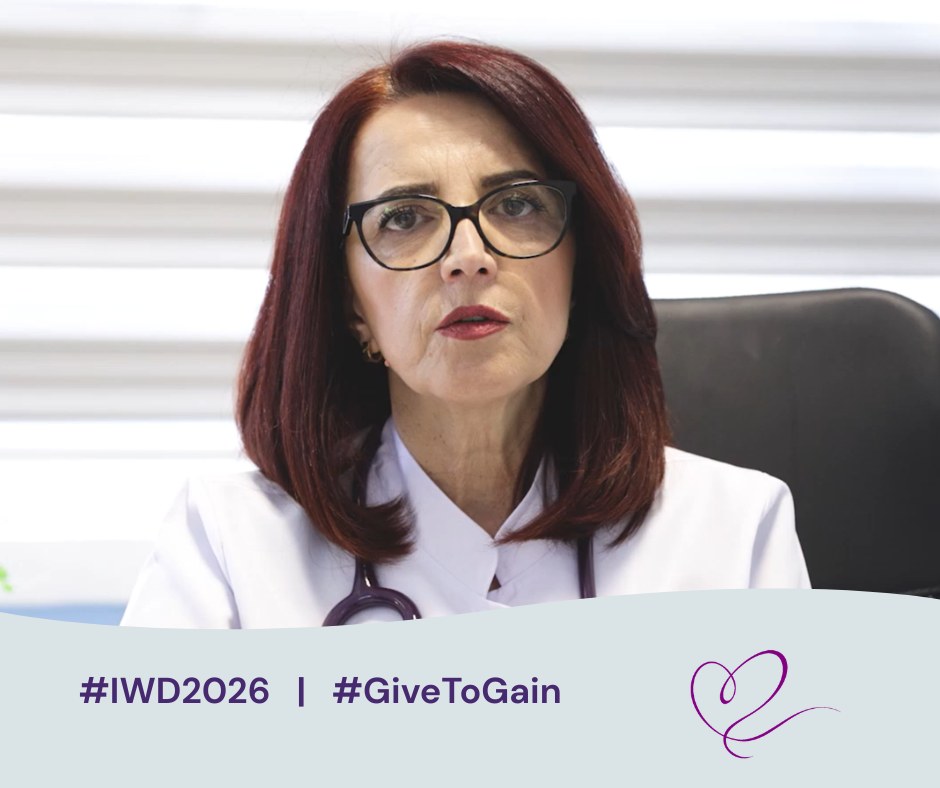
The campaign unfolded across multiple platforms. A series of short expert videos “Health Conversations,” human photo-storytelling, and a dedicated ACT Podcast episode. Together, they painted a picture of NCDs in Kosovo beyond clinics and into daily life.
Health sector experts brought the evidence and highlighted the weight of social roles. “Gender-sensitive systems start with data,” noted Dr. Besa Balidemaj Llolluni from the Ministry of Health of Kosovo. That understanding came into sharp focus through the campaign’s visual storytelling.
In “The Thread of Care,” the Fllanza’s story unfolds not as a medical case, but as a life reshaped by responsibility. In “The Thread of Strength,” her daughter, living with Type 1 diabetes, speaks of another kind of balancing act: managing her condition while trying to appear “normal” in a world that doesn’t always make space for vulnerability.
The campaign’s ACT Podcast episode extended the conversation further: Why do women so often put their families’ health before their own? Why do some men wait until it’s too late to seek care? And how can health systems respond to these deeply rooted patterns?
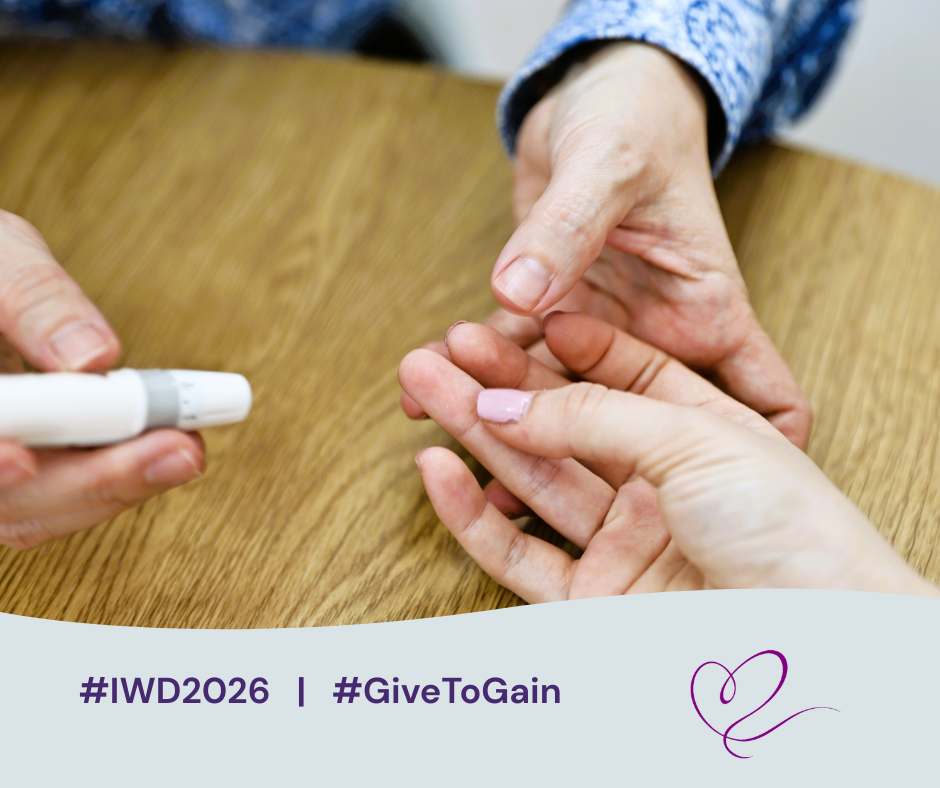
By bringing together expert insight and lived experience, the IHS campaign sought to shift the frame from NCDs as isolated conditions to part of everyday life, shaped by social roles, expectations, and unseen labour.
The campaign thus subtly reiterated that improving health outcomes is not only about better treatments or more services but also about understanding the context in which people live, care, and make decisions about their health.
As Kosovo continues to strengthen its healthcare system and focuses on NCDs increasingly, that insight shows that a gender lens is central to making it work. The clearest understanding of a health system does not come from data alone, but also from the people holding it together, night after night.
Find out more about the campaign:
Read the stories of Fllanza and Lisa
Watch expert insights:
National Institute of Public Health of Kosovo
Watch the special IWD podcast episode