17 August 2026
–
Impact Story
Better Triage Means Safer Care at the General Hospital of Gjakova
When a patient arrives at a hospital emergency department, being first through the door does not necessarily mean being first to receive care. What matters is recognizing who cannot afford to wait.
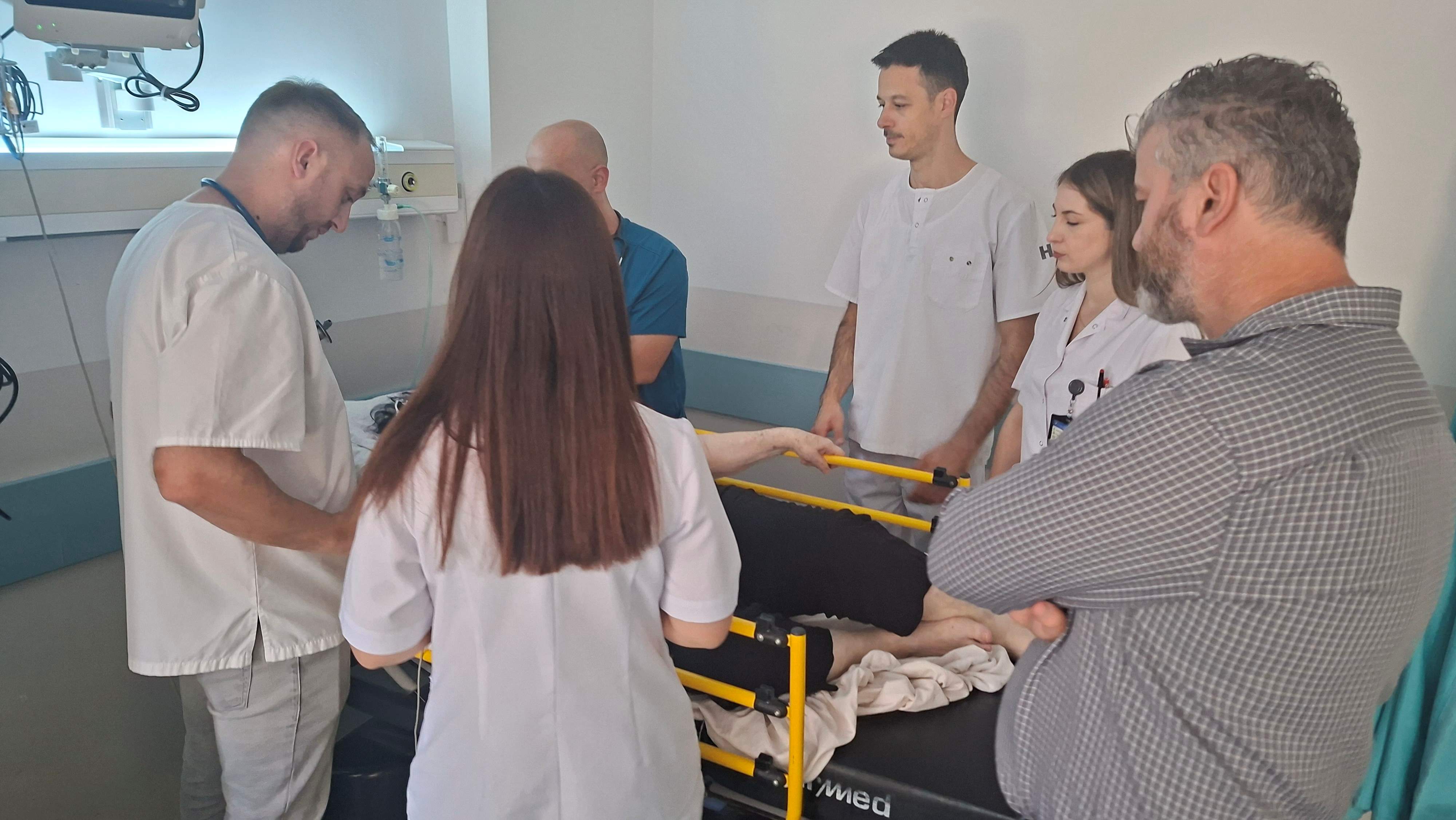
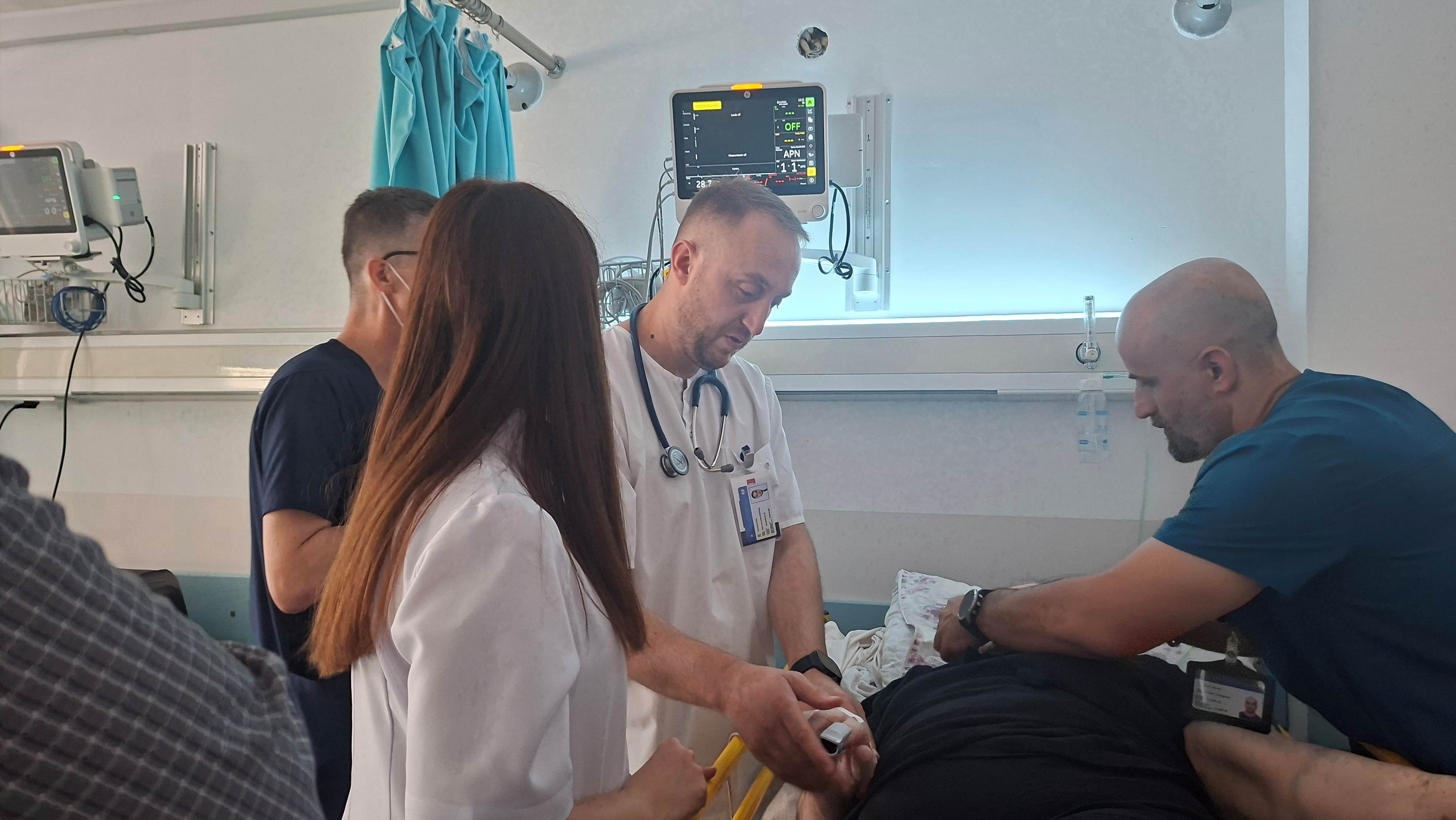
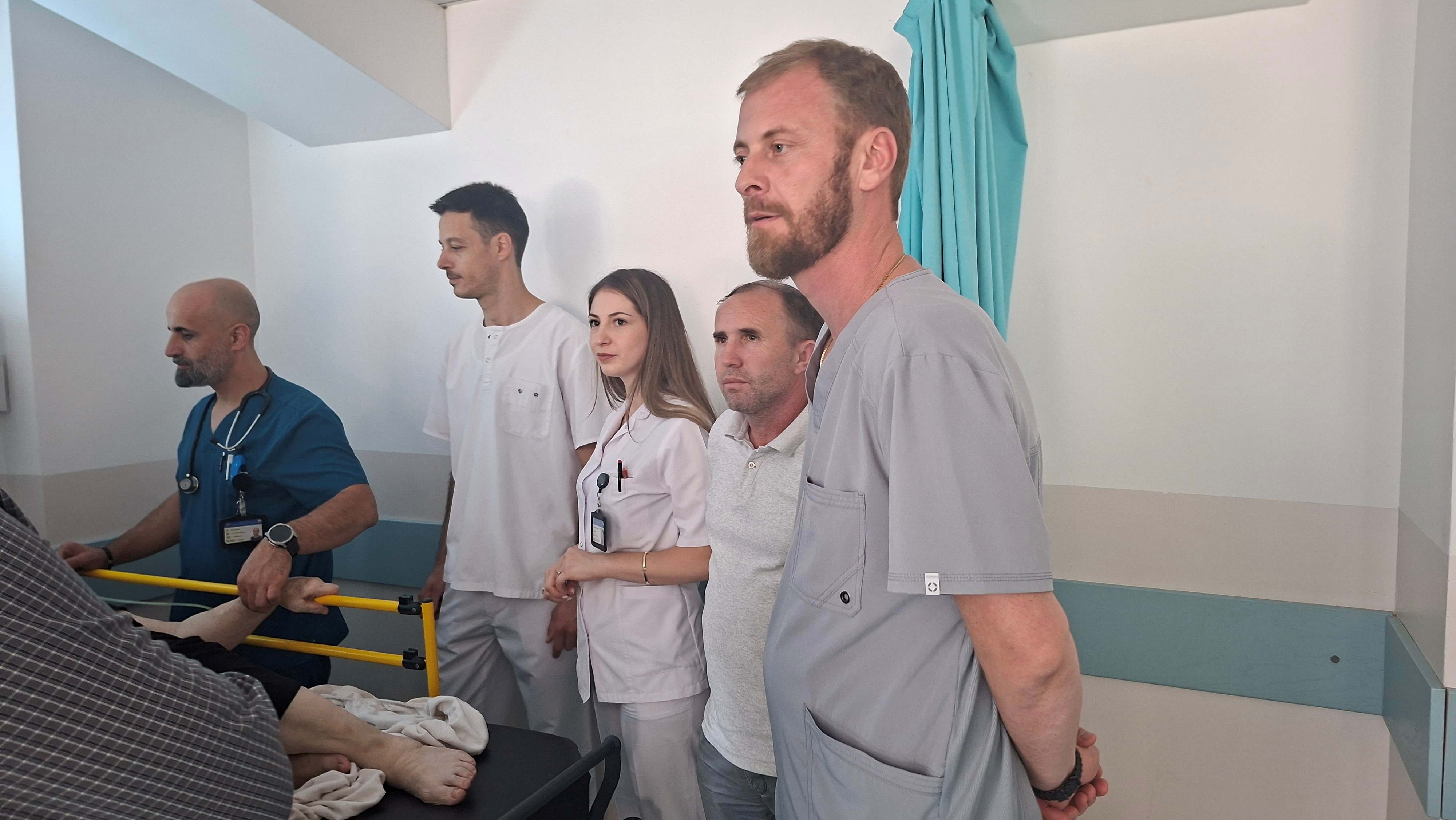
That was at the heart of a recent triage training at the General Hospital of Gjakova, where doctors and nurses from the Emergency Department worked on a more systematic approach to assessing patients and deciding who needs care most urgently.
For Dr. Petrit Mulaku, the trainer, the most important change is moving towards a shared, standardized way of making those decisions.
“The most important change will be the classification and prioritization of cases based on urgency, severity of symptoms, and risk to life, extremities and bodily functions. It is a standardized clinical approach that enables a professional, planned and structured response, with the aim of achieving the best possible clinical outcome.”
This straightforward principle can be critical in an emergency. The sooner patients at greatest risk are identified the quickest it is to make sure they receive attention according to their clinical needs, rather than simply according to when they arrived.
Liridon Marku, a nurse who participated in the training, says that structured triage has not previously been part of their routine practice.
“Until now, we have not had proper training and triage has not been implemented in our practice. This training has given us knowledge that will help us identify high-risk patients more quickly and provide them with the right care at the right time.”
The next time a patient walks through the doors of the Emergency Department, Liridon will have a clearer framework for those crucial first moments. He will assess the patient's condition, recognize the level of risk and determine how urgently care is needed.
This is where training becomes practice and where for a patient, a clinical tool becomes tangible and enables they get the right attention at the right time.
Dr. Ilir Hasanaj, another doctor participating in the training, sees the benefits extending across the Emergency Department. Better triage can help teams know where to focus their attention, communicate more clearly and use limited resources where they are needed most.
“A good triage system is not simply about determining the order of the queue. It is the first tool for patient safety, a filter that protects the team from chaotic overload, and the basis for professional communication within the Emergency Department.”
For the doctors and nurses in Gjakova, better triage ultimately comes down to a series of decisions made every day, often under pressure: Who is at greatest risk? Who can safely wait? Who needs immediate attention?
A shared system helps them answer those questions in time.
That was at the heart of a recent triage training at the General Hospital of Gjakova, where doctors and nurses from the Emergency Department worked on a more systematic approach to assessing patients and deciding who needs care most urgently.
For Dr. Petrit Mulaku, the trainer, the most important change is moving towards a shared, standardized way of making those decisions.
“The most important change will be the classification and prioritization of cases based on urgency, severity of symptoms, and risk to life, extremities and bodily functions. It is a standardized clinical approach that enables a professional, planned and structured response, with the aim of achieving the best possible clinical outcome.”
This straightforward principle can be critical in an emergency. The sooner patients at greatest risk are identified the quickest it is to make sure they receive attention according to their clinical needs, rather than simply according to when they arrived.
Liridon Marku, a nurse who participated in the training, says that structured triage has not previously been part of their routine practice.
“Until now, we have not had proper training and triage has not been implemented in our practice. This training has given us knowledge that will help us identify high-risk patients more quickly and provide them with the right care at the right time.”
The next time a patient walks through the doors of the Emergency Department, Liridon will have a clearer framework for those crucial first moments. He will assess the patient's condition, recognize the level of risk and determine how urgently care is needed.
This is where training becomes practice and where for a patient, a clinical tool becomes tangible and enables they get the right attention at the right time.
Dr. Ilir Hasanaj, another doctor participating in the training, sees the benefits extending across the Emergency Department. Better triage can help teams know where to focus their attention, communicate more clearly and use limited resources where they are needed most.
“A good triage system is not simply about determining the order of the queue. It is the first tool for patient safety, a filter that protects the team from chaotic overload, and the basis for professional communication within the Emergency Department.”
For the doctors and nurses in Gjakova, better triage ultimately comes down to a series of decisions made every day, often under pressure: Who is at greatest risk? Who can safely wait? Who needs immediate attention?
A shared system helps them answer those questions in time.